
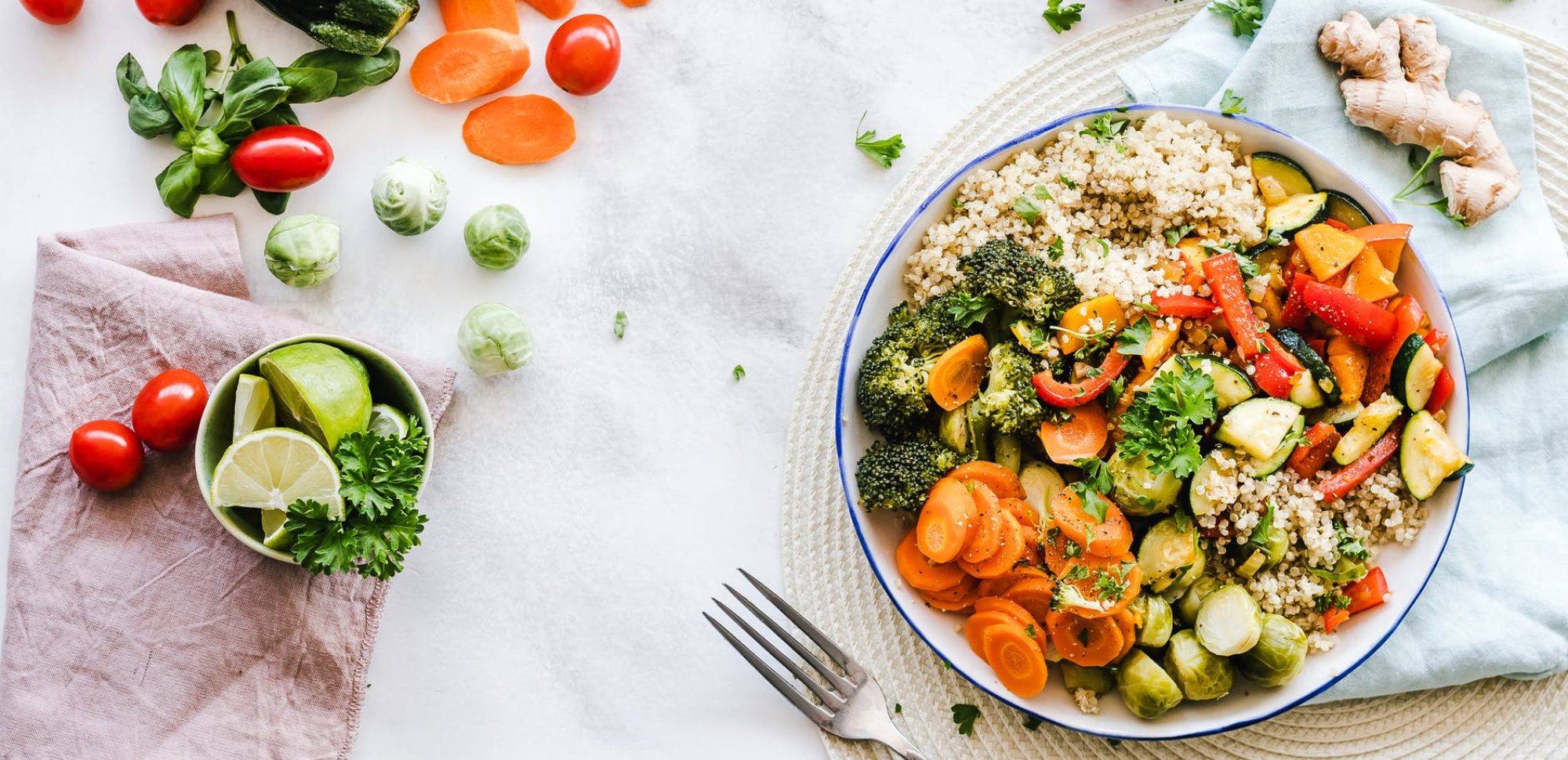

Here are some healthy eating tips to maintain a balanced and nutritious diet, including information on portion control, food groups, and the importance of a varied diet:
- Balance Your Plate: Aim to include a variety of foods from different food groups in your meals. Fill half of your plate with fruits and vegetables, one-quarter with lean proteins (such as poultry, fish, legumes, or tofu), and one-quarter with whole grains (like brown rice or quinoa).
- Portion Control: Be mindful of portion sizes to avoid overeating. Use smaller plates and bowls to help control portions visually. Pay attention to recommended serving sizes listed on food labels and use measuring cups or a food scale if needed.
- Include Whole Foods: Choose whole, unprocessed foods whenever possible. These include fruits, vegetables, whole grains, lean proteins, and healthy fats. Whole foods are rich in nutrients and fibre and can help support overall health.
- Limit Added Sugars and Saturated Fats: Minimise the consumption of foods high in added sugars and saturated fats, such as sugary drinks, desserts, fried foods, and processed snacks. Opt for healthier alternatives like fruits, unsweetened beverages, and nuts.
- Hydrate Well: Drink an adequate amount of water throughout the day. Water is essential for digestion, metabolism, and overall well-being. Limit sugary beverages and prioritise water as your primary source of hydration.
- Practice Mindful Eating: Slow down and pay attention to your food while eating. Chew your food thoroughly and savour the flavours. This helps you enjoy your meal, recognise satiety cues, and prevent overeating.
- Prioritise Variety: Include a wide range of foods in your diet to ensure you receive a diverse array of nutrients. Incorporate different fruits, vegetables, whole grains, proteins, and healthy fats. This helps prevent nutrient deficiencies and promotes overall health. Incorporate herbs and spices.
- Plan and Prepare Meals: Take the time to plan and prepare your meals in advance. This can help you make healthier choices, control portion sizes, and avoid relying on unhealthy fast food or convenience options.
- Read Food Labels: Learn how to read and understand food labels. Look for products with minimal added sugars, sodium, and unhealthy fats. Pay attention to the ingredient list, and choose foods with recognisable, whole food ingredients.
- Seek Professional Advice: If you have specific dietary concerns or health conditions, consider consulting with a nutritionist for personalised guidance. They can provide tailored advice to meet your unique nutritional needs.
Remember, everyone’s nutritional needs are different, so it’s essential to listen to your body and make adjustments that work for you. Incorporating these tips into your lifestyle can help you maintain a balanced and nutritious diet for optimal health.